Kintsugi: History of Japanese Ceramics Repair Technique
Kintsugi, the centuries-old Japanese art of repairing broken pottery with gold, transforms damage into beauty turning cracks into a celebrated part of an object's history rather than a flaw to hide.
By Admin4 min read
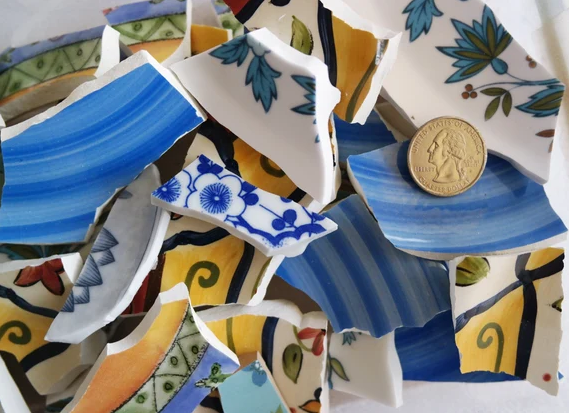
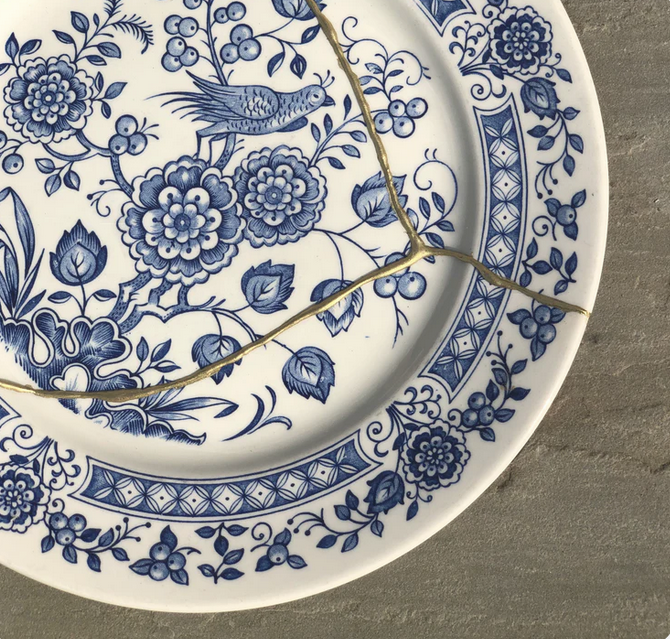
Do you have a collection of valuable pottery, ceramics or porcelain? Imagine someone picks one of the pieces, to admire, and accidentally drops it. Yes, I can just see your face from here 😀.
Credit - Etsy
It really is awful, especially if it is valuable; If it is damaged, the worth of the item is now reduced.
But guess what, you can still enjoy it as one of your collections by restoring it with Kintsugi.
What is Kintsugi?
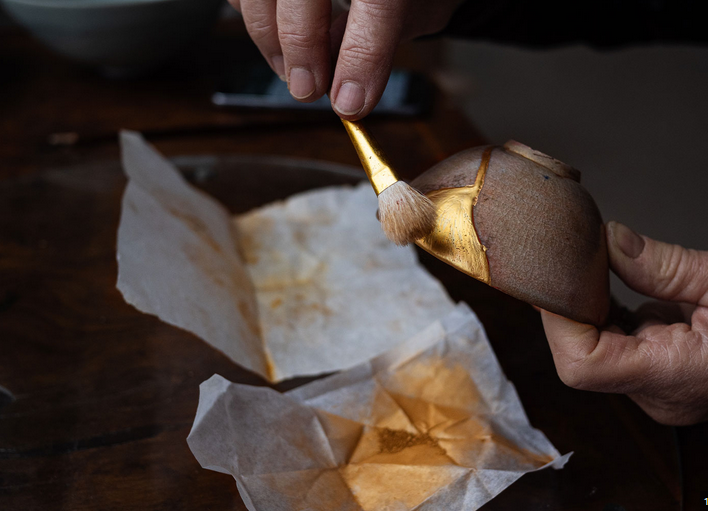
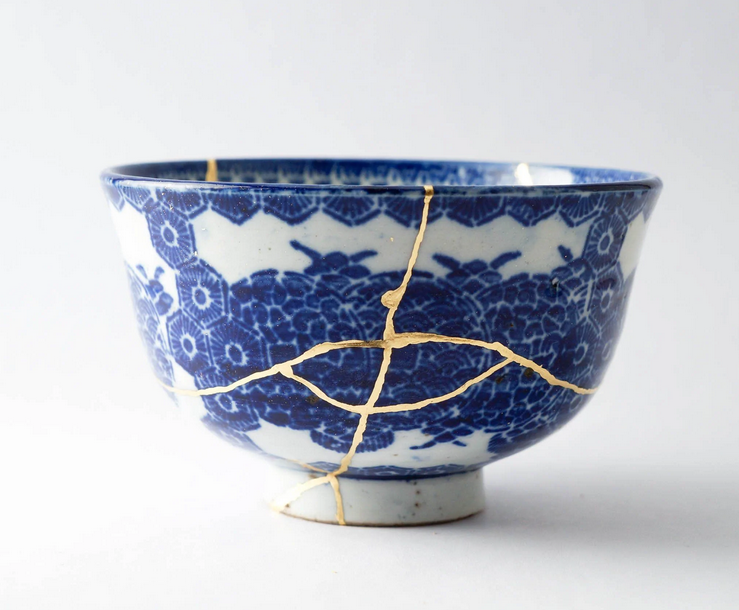
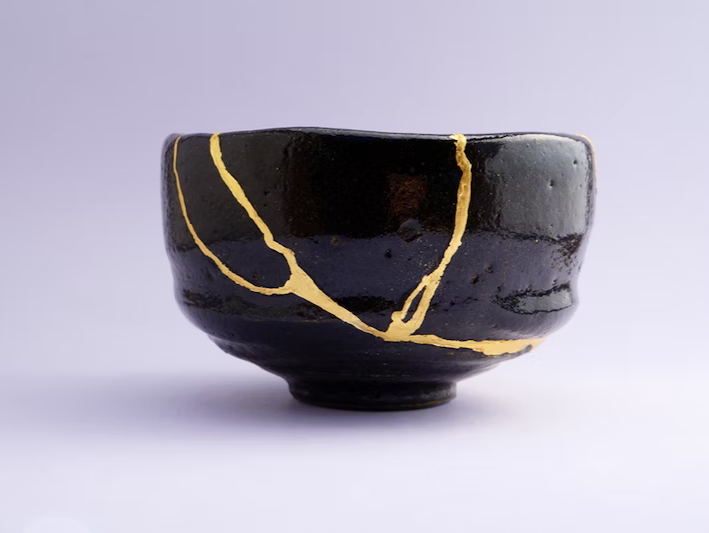
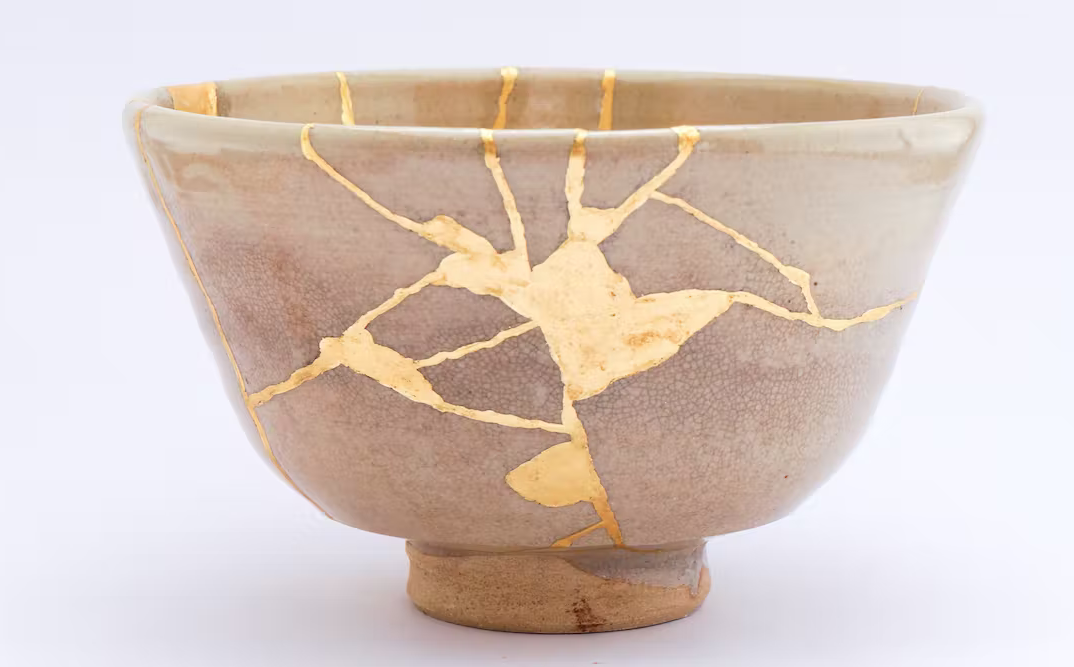
The name means golden seams and it is a century old Japanese luxurious method of repairing broken ceramics, pottery or porcelain using gold paint and celebrating its history.
Another name used is – Kintsukuroi which means golden repair; this method is still used today where silver and platinum can also be used.
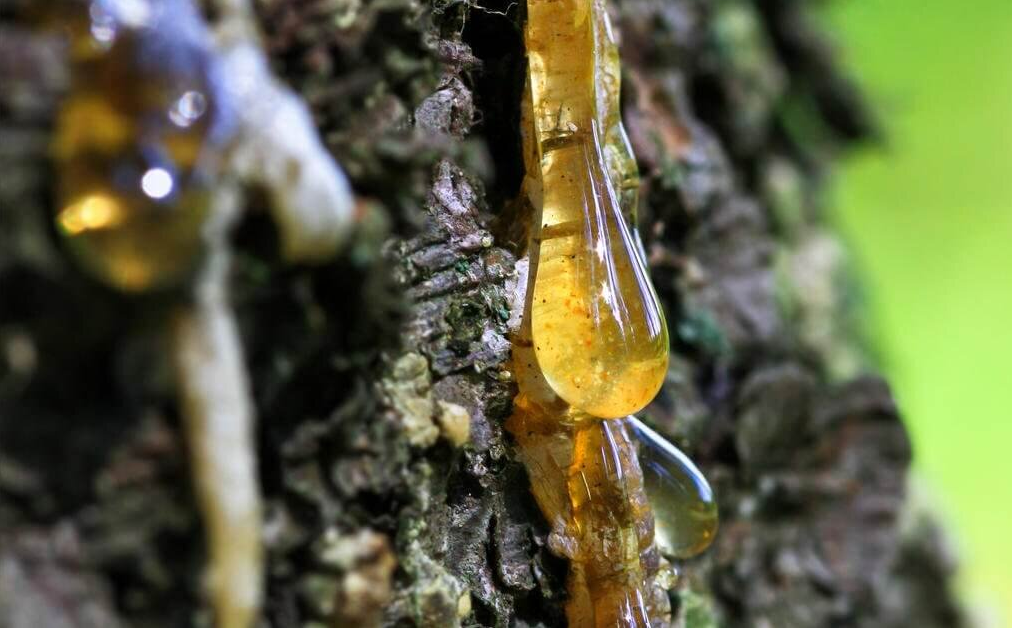
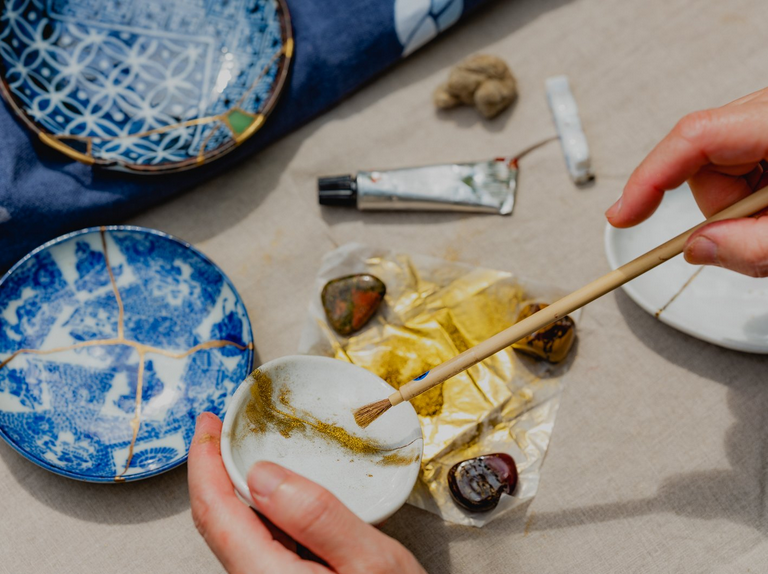
How was this paint made? The traditional method involved mixing gold dust with lacquer and applying on the mended crack. The lacquer is a type of natural resin from tree sap – that is considered toxic but harmless once dry. The goal was not to cover the flaw but to illuminate it.
Credit: bernstein museum, Tree ResinGold Dust
The Japanese have this belief that every item has its own long-life events which will include imperfections, and by illuminating them, you are calling forth the spirit of Mushi which simply means, – “no mind” and accepting change.
Credit: Pantechnicon.comCredit: Homofaber.com
In addition, by repairing and embracing the item it means nothing is unnecessarily thrown away nor goes to waste and reduces the culture of always wanting, for this reason a restored item was highly valued.
Credit: 3DM Lifestyle
According [si.edu/news desk] – the method of using lacquer was used in Asia in the ancient times but the use of gold to illuminate the repair, started a few centuries ago. Historians suggest that origins of Kintsugi are unknown.
Credit: Discovery Place
The practice was widespread in Japan with the wide spread of Tea making and drinking ceremonies suggesting the method was used frequently to repair broken teacups, saucers, tea kettles and other porcelain, ceramics, pottery and glass.
Credit: Theconversation.com
There was a discovery of pottery repaired using Kintsugi around China, Korea, Vietnam, for this reason, it is evident that the method spread across Asia.
credit: Indytute.com, kintsugi workshop
Historians suggest that the Japanese art of repairing became so famous when a broken porcelain was returned to China and was repaired using metal staples. This looked so hideous prompting the Japanese had to find a more beautiful way to restore their items.
In today’s world this technique has inspired many western artists to come up with exquisite Avant Garde creations, for instance: –
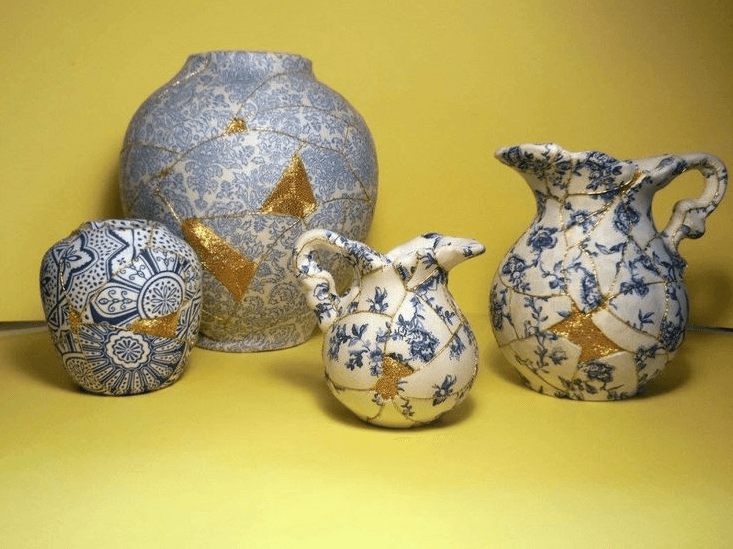
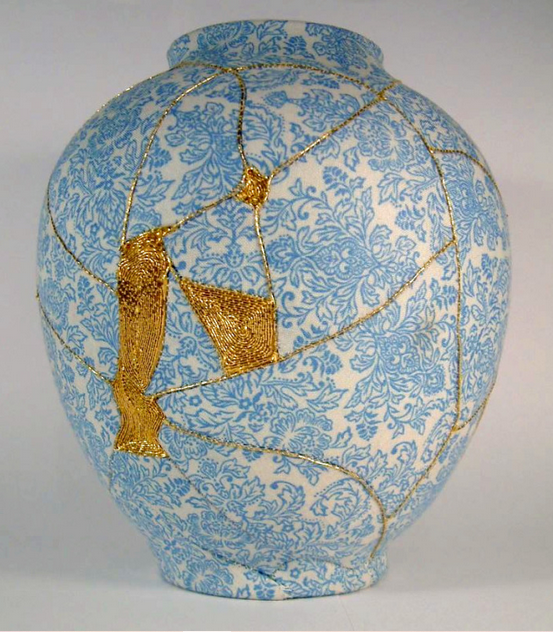
Kintsugi Fabric Vases
British Artist Charlotte Bailey who repaired broken vases by covering them with fabric then putting them back together with gold thread.
Credit: Artist Charlotte Bailey
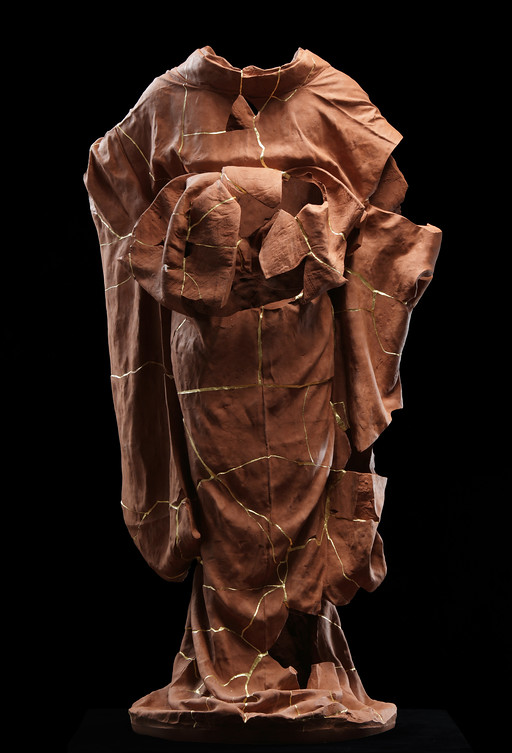
Kintsugi Kimono
Other inspired Artists are American Karen Lamonte, who created a kimono sculpture with cracks fixed with gold paint.
Credit: Artist Karen Lamonte
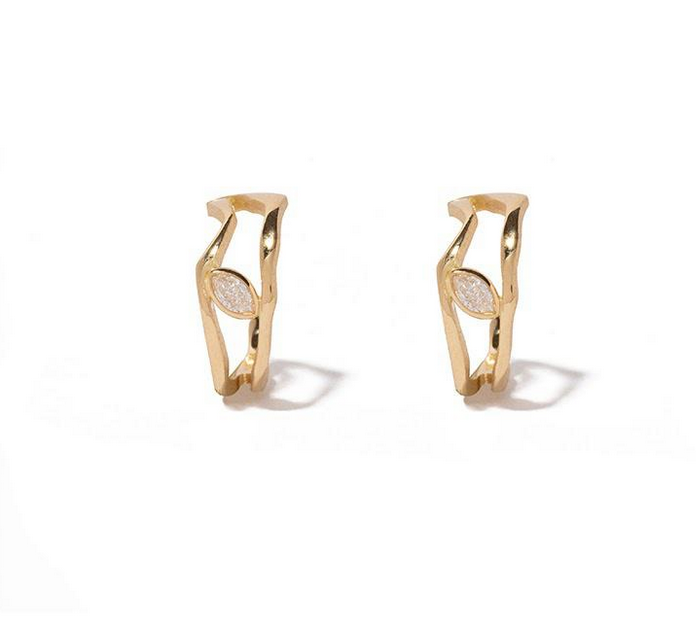
Kintsugi jewellery
Newyork designer George Inaki Root latest Kintsugi jewellery design inspired by the Japanese art of mending objects.
Credit: George Inaki Root, Kintsugi Jewellery
Titled Kintsugi Court
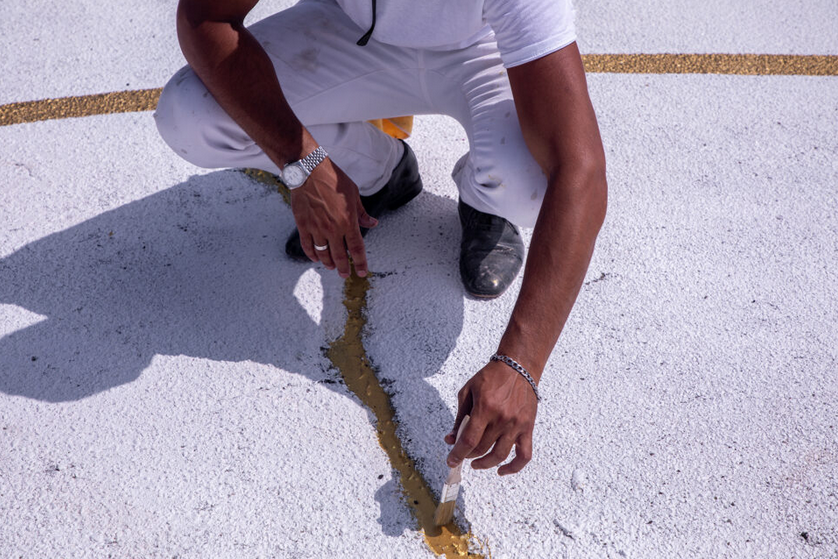
Los Angeles artist Victor Solomon famous for repairing a dilapidated basketball court using gold dust with resin filled into the cement cracks. Another ambitious structure that leaves us all in awe. Colossal: – “Victor highlights the years of use “to accentuate the healing as a formative part of its journey”. Victor says, “Sport can entertain, inspire, and distract, but more apropos than all, the platform of sport can help us heal.”
Artist Victor SolomonArtist Victor Solomon
What do you think about this technique. Share with me in the comments below, especially if you have used it before.
Read my post “Using Kintsugi to Repair my Chinoiserie Vase”, where I perform my own Kinstugi with my own added touch.
Remember to like and subscribe (free). It really helps my channels. 😀
You can also watch the video if you prefer.
Frequently Asked Questions
What is Kintsugi?
Kintsugi (meaning "golden joinery") is a traditional Japanese technique for repairing broken pottery using lacquer mixed with powdered gold, silver, or platinum. Rather than disguising the damage, the repair highlights the cracks, treating them as part of the object's history.
What philosophy is Kintsugi connected to?
Kintsugi is closely tied to the Japanese aesthetic philosophy of wabi-sabi, which finds beauty in imperfection, impermanence, and the natural cycle of growth and decay. It also reflects the idea that breakage and repair are part of an object's story, not something to be hidden.